
Macro Matters in Work Comp
Here you'll find thoughts, conversations, and insights about Workers' Compensation.

It’s easy to think of workers’ compensation as its own ecosystem. However, it operates within the much larger U.S. healthcare system, where policy shifts, payment pressures, and demographic trends shape the environment in which WC claims are managed.
In this issue of Comp, Deconstructed, we take a step back to look at several macro factors influencing our industry, from Medicare’s financial outlook and its increasingly aggressive recovery efforts to broader healthcare system pressures discussed at the recent WCRI conference in Boston.
Understanding these bigger dynamics helps explain many of the changes we are seeing today, and why the workers’ compensation landscape continues to evolve.
🎙️Deconstructing Comp Podcast
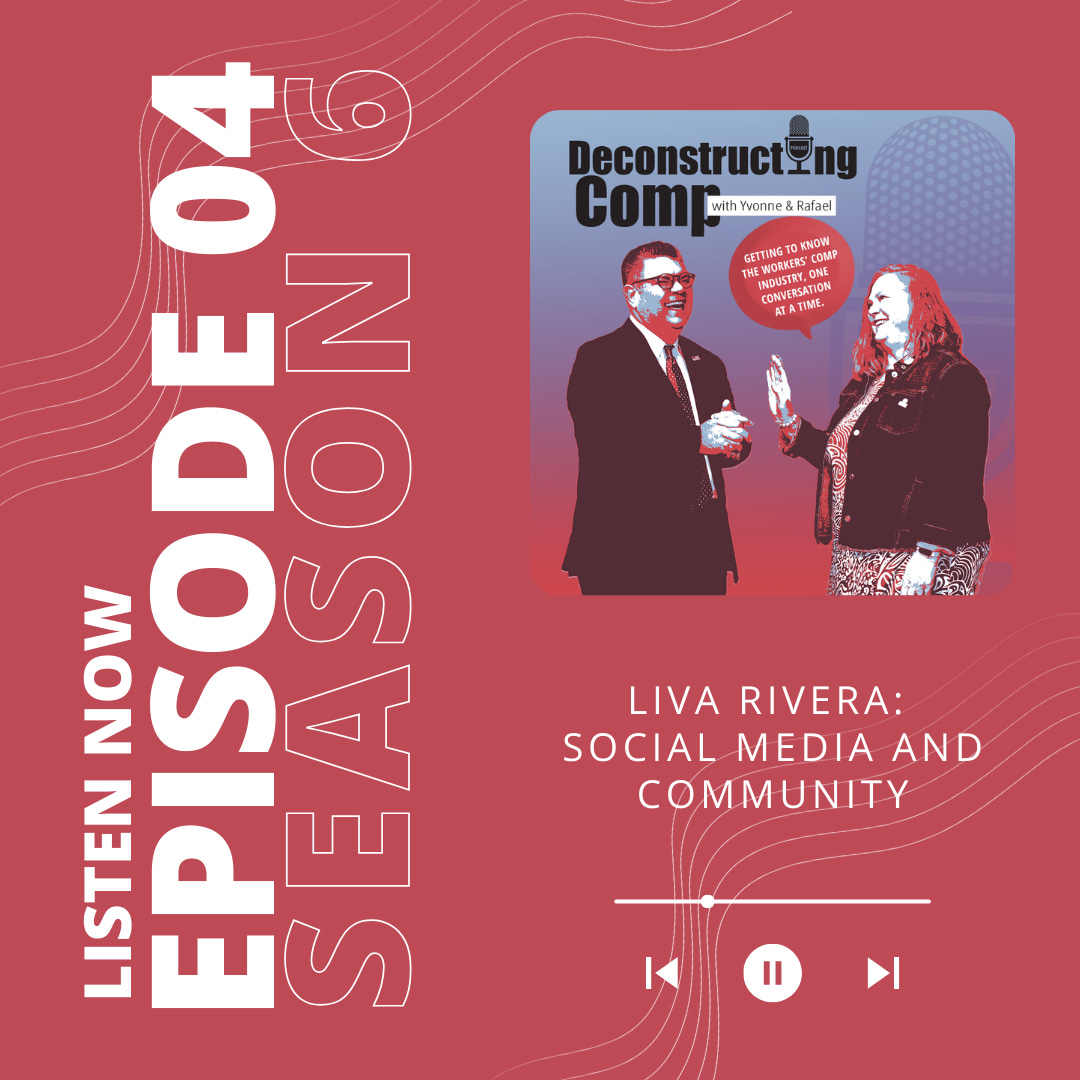
Season 6 of Deconstructing Comp Podcast is underway! Catch our latest episode with Liva Rivera; a lively conversation about the power of social media in building relationships, expanding professional networks, and supporting mentorship within the workers’ compensation community. Available on YouTube and your favorite podcast streaming platform (links below)
🌱One Big Thing Deconstructed: Why Medicare is Getting Aggressive
by Rafael Gonzalez
If you want to know why Medicare is becoming more and more aggressive in its attempt to recoup monies it may have paid out that were in fact the responsibility of another payer, like employers and carriers in work comp claims, then look no further than the most recent Congressional Budget Office (CBO) Updated Projections of the Hospital Insurance Trust Fund’s Finances.
The Medicare Hospital Insurance (HI) Trust Fund is used to pay for benefits under Medicare Part A, which covers inpatient hospital services, care provided in skilled nursing facilities, home health care, and hospice care. The fund derives about three-quarters of its annual income from Medicare payroll taxes. Based on the most recent data showing a dramatic decline in income, the CBO estimates that the HI trust fund’s balance will be exhausted by 2040, significantly sooner than previously expected.
According to the CBO’s latest study, spending begins to outstrip income in 2032, and by 2040, the fund’s balance is exhausted. That projection is based on CBO demographic projections published in January 2026 and their economic and 10-year budget projections published in February 2026. And things could get worse as these projections do not account for any effects of the Supreme Court’s ruling on tariffs on February 20, 2026 (Learning Res., Inc. v. Trump, Nos. 24-1287, 25-250, slip op. (S. Ct. Feb. 20, 2026)).
CBO projects income into the HI trust fund will be lower because payroll tax revenues will be lower, revenues from taxing Social Security benefits will be smaller, and interest income will be smaller. In addition, spending is projected to increase mainly due to an increase in Medicare enrollees and higher expected spending per enrollee.
This certainly explains why the Medicare Secondary Payer Act’s mandatory insurer reporting, conditional payment reimbursement, and future medical set-aside allocation programs are undergoing ongoing changes and becoming increasingly aggressive in your workers’ compensation claims and litigated cases.
🌐Webinar Open for Registration!
California Workers’ Comp Case Law Update

A deep dive into decisions shaping practice.
Staying current on California workers’ compensation case law is essential for attorneys, claims professionals, and industry leaders navigating an increasingly complex legal landscape. This five-hour, in-depth webinar provides a comprehensive review of the most impactful California Workers’ Compensation Appeals Board and appellate decisions issued over the past two years, with a sharp focus on how these rulings are actively reshaping litigation strategy, medical-legal procedure, and benefit determinations across California. Click here to learn more about the webinar, the panel, and the agenda!
💭Our 3 Snackable Thoughts
Quick hits to get you thinking...
1. California Fee Schedule Increase—Who Actually Benefits?
California’s March 1, 2026, update to the Physician Fee Schedule raised reimbursement rates to 155% of Medicare, the largest adjustment in more than a decade. However, an analysis from DaisyBill suggests many physicians treating injured workers under PPO contracts may see little of that increase. Since many contracts cap reimbursement using “lesser of” provisions tied to Medicare rates, physician payments may only rise in line with Medicare, while the gap between Medicare and the state fee schedule widens, potentially increasing discount margins for PPO networks. To read DaisyBill’s full analysis, click here.
2. Engagement Takes Center Stage for 2026
A new survey from Healthesystems and Risk & Insurance®, based on responses from more than 500 workers’ compensation stakeholders, shows that improving injured worker engagement is now the industry’s top medical program priority. Respondents cited limited visibility into injured worker medical history, adherence to treatment, and psychosocial factors as key barriers to recovery. The report also highlights growing concern about comorbidities, increasing claims professional workloads, and cautious optimism about AI, particularly its potential to identify fraud, waste, and abuse. To read the top five major findings from this year’s survey, and to download the full report, click here.
3. Workers’ Comp: Riding the Healthcare Elephant’s Tail End
I recently attended the Workers’ Compensation Research Institute (WCRI) Annual Conference in Boston, one of my favorite conferences of the year. WCRI researchers shared results of their most recent studies and invited top economists to share how broader healthcare system changes could affect workers’ compensation. Industry commentator (and friend) Joe Paduda summarized the conference in his blog, highlighting discussions about potential ripple effects from Affordable Care Act policy changes, possible Medicaid reductions, and growing financial pressures on hospitals. Joe’s takeaway: workers’ compensation represents a small slice of U.S. healthcare spending, but it is deeply influenced by larger healthcare policies and market forces, changes that could ultimately drive higher claim costs and longer disability durations. To read Joe’s summary of the first part of WCRI Day 1, click here.
1. Medicare Advantage enrollment rose to 35.1 million
A new KFF analysis shows that, of the 65 million current Medicare beneficiaries, Medicare Advantage enrollment rose to 35.1 million as of Feb. 1, an increase of 1.1 million, or 3%, since February 2025. Enrollment in Medicare Advantage has climbed from 8 million people (19% of eligible beneficiaries) in 2007 to 35 million people (55% of eligible beneficiaries) in 2026. To read the full analysis, click here.
2. Reports show 2.5 million nonfatal workplace injuries and illnesses in 2024
U.S. private industry employers reported 2.5 million nonfatal workplace injuries and illnesses in 2024, a 3.1% decline from 2023 and the lowest total recorded since the Bureau of Labor Statistics began tracking the data in 2003. The drop was driven largely by a sharp decline in reported illness cases, which fell 26% to 148,000. Respiratory illnesses accounted for much of the decrease, plunging 46% to 54,000 cases, the lowest level for that category since 2019. For more details, click here.
3. Medicare will remain a significant issue in workers’ comp claims for decades to come.
The overall U.S. population is expected to trend older in the coming decades as life expectancies increase and the birth rate declines. There are currently about 62 million adults ages 65 and older in the U.S., accounting for 18% of the population. By 2054, 84 million adults ages 65 and older will make up an estimated 23% of the population.
🌿Yvonne’s February Intention
Your Energy First: A Foundation for Clear Thinking
Recently the clocks moved forward across much of North America and we lost an hour of sleep. It may seem like a small shift, but we feel it for several days as our bodies adjust.
It’s a simple reminder that energy, not just time, drives how we think, respond, and connect with others.
In positive psychology, we talk about being our own CEO, Chief Energy Officer. It is important to recognize that sleep, regular pauses, hydration, nourishment, and movement all play an essential role in how we sustain clear thinking and emotional capacity.
So, this month I’m being intentional about protecting my energy. That means paying closer attention to my sleep schedule, taking small pauses during the day, and noticing when I need to reset so I can bring patience, critical thinking and clarity to my work. It is even more important as I travel across different time zones.
When we manage our energy well, we bring better focus and steadiness to our decisions, our conversations, and to the people who depend on us.
📸Latest Ralfies!
Here are the most recent #RALFIES! Shown L-R, Top to bottom:
Betty Castor
Liana Fernandez Fox
Grace Maseda
Aileen Rodriguez
Donna Parrino
Chairman Michael Brennan
Arnold Rubin
Darrell Matthis
Lisa Gonzalez


📅Upcoming events
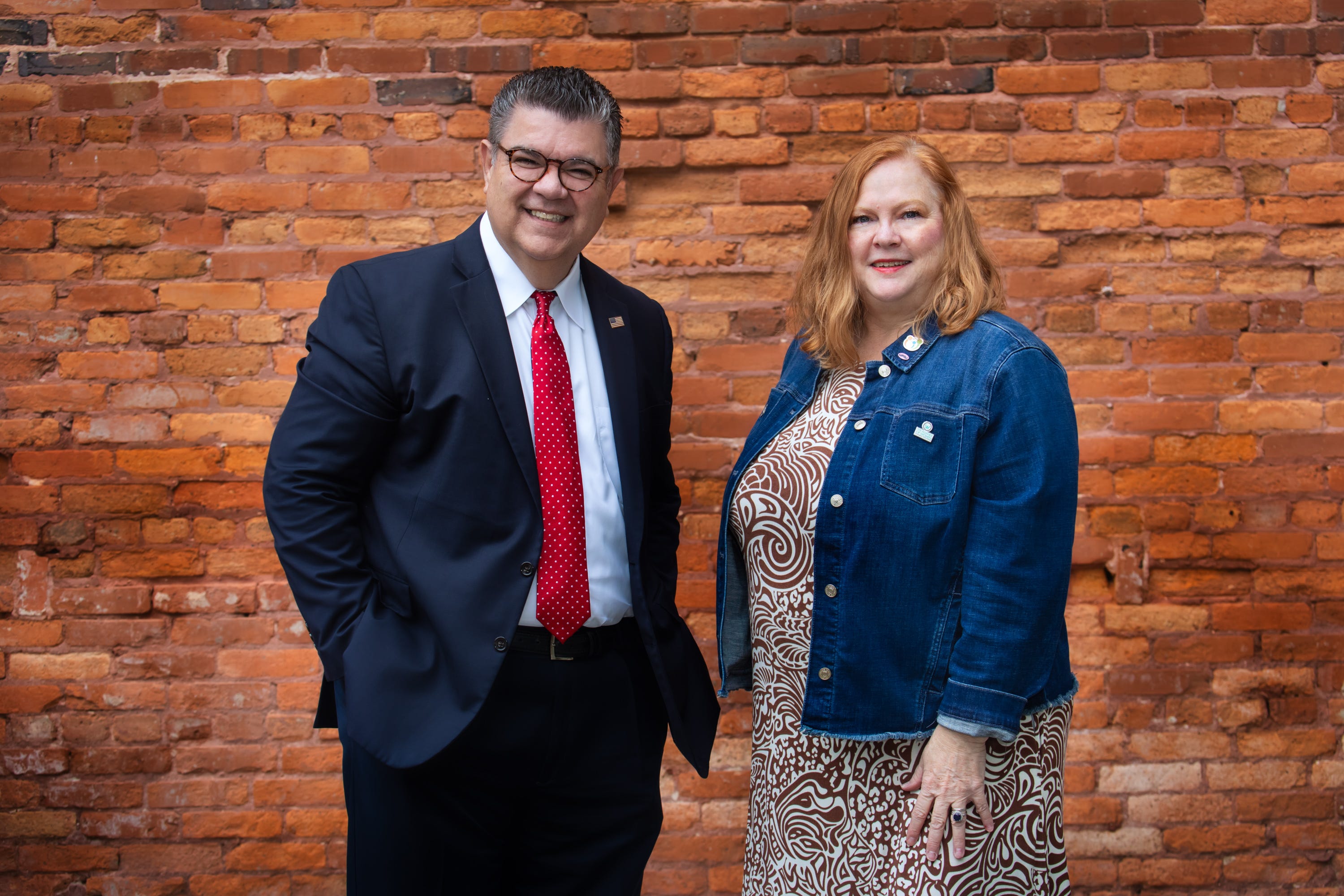
Catch Ralph and Yvonne in-person at the events below!
March 19-20 - Yvonne is attending the California DWC’s Annual Educational events March 19-20 in Los Angeles. DWC offers face-to-face connections with colleagues and peers to gain first-hand insights into the latest developments in the workers’ compensation system.
April 11 - Deconstructing Comp is hosting a 5-hour educational session called “CA Case Law Update” with Judge David Pollak, Presiding Judge Robert Rassp and Frank Christine III. There is an “in-person” option for professionals in and around the Los Angeles area, and it will be live-streamed online as well. For details and to register, click here.
March 25 - Rafael will be addressing the West Palm Beach Workers Compensation Inn of Court, where he will update members on the latest changes to Medicare’s mandatory insurer reporting, conditional payment reimbursement, and future medical allocation programs.
April 22-24 - Rafael will attend 2026 Florida Bar Workers’ Compensation Forum in Champion’s Gate (Orlando), Florida. For more information, or to register, click here.
April 30 - Yvonne will attend and moderate sessions at the 3rd Annual Sharp Biopsychosocial & Wellness Symposium in San Diego, CA. This is open to anyone who is involved in California Workers’ Compensation claims handling. For more information or to register, click here.
Thanks for reading! We’ll be back next month with another issue of our newsletter.